
What is roof rejuvenation?
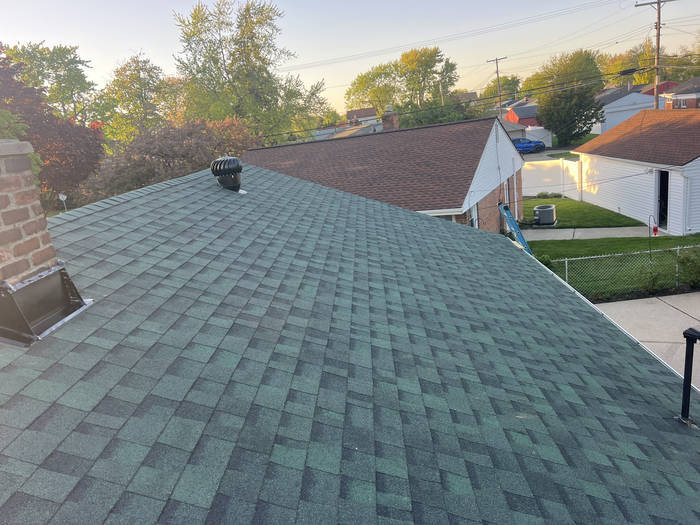
Roof rejuvenation restores asphalt shingles by applying a bio-based treatment that penetrates deep into the material, replenishing lost oils and restoring flexibility. This process seals micro-cracks, improves granule adhesion, and extends shingle life by 5-15 years at 30-50% the cost of replacement. For Downriver homes with roofs showing early aging signs, rejuvenation delays the need for costly tear-offs.
At Lincoln Park Roofing, we've seen how Michigan's brutal freeze-thaw cycles drain the oils from asphalt shingles, making them brittle and prone to cracking. Our rejuvenation treatment reverses this damage by soaking into the shingle surface and restoring the protective petroleum base that manufacturers build in. The application takes just a few hours, and you'll notice improved color and flexibility within weeks.
This service works best on roofs that are 8-18 years old with intact shingles that haven't lost significant granules. If your roof still has most of its protective coating but looks weathered, rejuvenation can add another decade of protection. We recommend having a roofer in Lincoln Park inspect your roof first to confirm it's a good candidate for this treatment.
When should homeowners consider roof replacement?
Homeowners need roof replacement when shingles have reached 20-25 years of age, show widespread curling or cracking, have missing sections, or when interior water damage indicates structural compromise. Replacement becomes the only option when more than 30% of shingles are damaged or when the roof deck itself shows rot or sagging.
While rejuvenation handles early-stage aging, some roofs are past the point of restoration. We tell homeowners straight: if you're seeing daylight through your attic boards, finding granules clogging your gutters by the cupful, or dealing with persistent leaks even after repairs, it's replacement time. A 22-year-old roof that's been through two decades of Michigan winters has given you its best years.
According to Lincoln Park Roofing, replacement also makes sense when you're planning to sell within 2-3 years. A new roof returns 60-70% of its cost in home value and eliminates buyer concerns during inspections. Storm damage from high winds or hail often necessitates replacement too, though many homeowners don't realize their roof insurance claim may cover the full cost. We've helped dozens of Downriver families navigate the claims process to get roofs replaced at minimal out-of-pocket expense.
How does the cost of roof rejuvenation compare to replacement?
Roof rejuvenation costs $1,000-$3,000 for most Downriver homes, while full replacement ranges from $7,000-$15,000 depending on roof size and material choice. Rejuvenation delivers 5-15 additional years of protection at 20-30% the cost of replacement, making it the clear financial winner for roofs in early to mid-life stages without severe damage.
The math here is straightforward. For a typical 1,800 square foot ranch in Lincoln Park, rejuvenation runs around $1,800 and buys you another 8-12 years before replacement becomes necessary. That same home needs $10,000-$12,000 for architectural shingle replacement. By choosing rejuvenation now, you're essentially paying $150-$225 per year for continued protection versus $500-$600 annually when you amortize replacement costs.
At Lincoln Park Roofing, we've noticed homeowners who rejuvenate their roofs at year 12-15 often get to year 25-27 before needing replacement, effectively doubling their original roof investment. The savings compound when you factor in avoided disruption, no dumpster rental, and keeping thousands of pounds of asphalt out of landfills. The National Roofing Contractors Association confirms that proactive maintenance extends roof life more cost-effectively than reactive replacement.
What are the long-term benefits of roof rejuvenation?
Roof rejuvenation extends shingle life by 5-15 years, reduces cooling costs by 7-10% through improved reflectivity, prevents brittle shingle cracking that leads to leaks, and maintains curb appeal without the mess and expense of tear-off. This makes it ideal for homeowners planning to stay in their homes another decade but not ready to invest in full replacement.
Beyond the obvious cost savings, rejuvenated roofs perform better in Michigan weather. The treatment restores the shingles' ability to expand and contract with temperature swings without cracking—critical when you're seeing 20°F mornings and 50°F afternoons in March. We've measured surface temperature drops of 8-12 degrees on rejuvenated roofs compared to aged, untreated shingles, which translates to real savings on air conditioning.
According to Lincoln Park Roofing, rejuvenation also preserves your roof's wind resistance by keeping shingles flexible and properly adhered. Brittle shingles lift in high winds and tear loose, but treated shingles maintain their seal. The process takes 3-5 hours versus 2-3 days for replacement, meaning no ladders against your house for days, no nail debris in your yard, and no need to move patio furniture or worry about your landscaping. For homeowners across Downriver—from Allen Park to Taylor—this minimal disruption is a major advantage.
What are the costs of roof rejuvenation in Downriver?
Roof rejuvenation in Downriver costs $1,000-$3,000 based on roof size, pitch, and shingle condition, with most homes averaging $1,600-$2,200. A 1,200 square foot ranch runs $1,200-$1,600, while a 2,500 square foot two-story home costs $2,400-$3,000. This pricing includes product, application, and a post-treatment inspection.
We price rejuvenation by the square (100 square feet of roof surface), with rates ranging from $80-$125 per square depending on accessibility and roof complexity. A straightforward single-story ranch with good access costs less than a steep-pitched Victorian with multiple valleys and dormers. The condition matters too—roofs with heavy moss or debris need cleaning first, which adds $200-$400 to the total.
At Lincoln Park Roofing, we provide transparent estimates that break down material and labor costs. Most Downriver homeowners qualify for the mid-range pricing since our housing stock consists primarily of ranches and modest two-stories built in the 1950s-1970s. Compare this to $7,000-$15,000 for replacement, and you're saving $5,000-$12,000 while adding a decade of life. The Michigan Department of Licensing and Regulatory Affairs recommends getting three quotes for major roof work, and we encourage that—just make sure you're comparing licensed contractors with proper insurance coverage.
When should homeowners consider roof replacement?
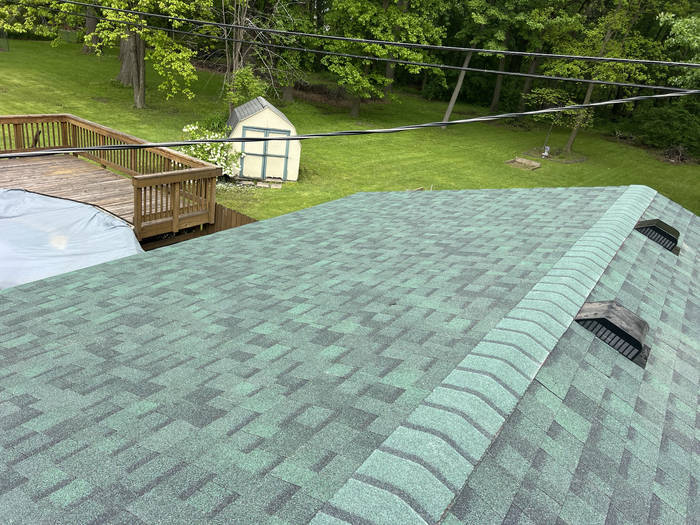
Homeowners should replace their roof when it reaches 20-25 years of age, when more than 30% of shingles show curling or missing granules, when water stains appear on interior ceilings despite repairs, or when the roof deck shows sagging or rot. Severe storm damage with exposed underlayment also requires immediate replacement rather than rejuvenation.
There's no point sugarcoating it—some roofs are done. If we climb up and find shingles that crumble when we touch them, or if the decking flexes under our weight, or if you've got three layers of old shingles already up there, replacement is the only responsible recommendation. Michigan building code allows only two layers maximum, so if you're already at that limit, the next roof means a full tear-off.
We also push for replacement when homeowners report multiple leak locations or when ice dams have repeatedly damaged the same areas. At that point, you're throwing good money after bad with repairs. A Downriver roofing expert can assess whether your roof deck needs replacement too—sometimes the shingles failed because water got underneath and rotted the plywood, which means you need more than just new shingles. We service homeowners throughout Southgate, Wyandotte, and Dearborn Heights, and we've seen every type of roof failure Michigan weather can dish out.
How long does roof rejuvenation last?
Roof rejuvenation lasts 5-15 years depending on shingle age at treatment, product quality, and weather exposure. Roofs treated at 10-12 years old typically gain 12-15 additional years, while roofs treated at 18-20 years gain 5-8 years. Proper attic ventilation and regular gutter maintenance extend rejuvenation effectiveness by preventing moisture damage and ice dam formation.
The treatment doesn't wear off suddenly—it gradually depletes as UV exposure and weather break down the restored oils. We tell homeowners to expect the lower end of the range (5-7 years) if they wait until year 18-20 to rejuvenate, since the shingles have already lost significant structural integrity. Treat at year 10-12, and you're looking at 12-15 years of additional protection because the shingles haven't degraded as far.
According to Lincoln Park Roofing, the single biggest factor affecting longevity is attic ventilation. Poor ventilation causes heat buildup that accelerates shingle aging from the underside, negating much of the rejuvenation benefit. We check ventilation during every inspection and recommend improvements when needed. Homes in Riverview, Melvindale, and Ecorse with proper ridge and soffit vents consistently get 10+ years from rejuvenation treatments.
What are the environmental benefits of roof rejuvenation?
Roof rejuvenation prevents 3-4 tons of asphalt shingles per home from entering landfills, reduces petroleum consumption by eliminating new shingle manufacturing, and cuts carbon emissions by 85% compared to full replacement. The bio-based rejuvenation products contain plant-derived oils rather than harsh chemicals, making them safe for runoff into lawns and gardens.
Every roof replacement generates massive waste. A typical Downriver home sheds 3.5-4 tons of old shingles during tear-off, all of which heads to the landfill since asphalt shingle recycling isn't widely available in Southeast Michigan. Rejuvenation keeps that material in place and functional for another decade, which is significant when you multiply it across thousands of homes.
The manufacturing impact matters too. Producing new asphalt shingles requires petroleum distillation, fiberglass mat production, and granule mining—all energy-intensive processes. By extending existing shingles, you're avoiding that environmental cost entirely. We've worked with environmentally conscious homeowners across River Rouge, Wayne, Plymouth, and Livonia who appreciate that rejuvenation aligns with their sustainability values while saving money. The treatment is applied once, penetrates within hours, and requires no special disposal—just responsible roof care that happens to be better for the planet.
Pro Tip from Lincoln Park Roofing: Schedule your rejuvenation treatment for late spring or early fall when temperatures are 50-80°F and rain isn't forecasted for 24 hours. The product needs warm, dry conditions to penetrate properly. We've found that treating roofs at year 10-12 rather than waiting until year 18-20 doubles the longevity you'll get from the investment.